Our Services
Program Strategy & Procurement Support
BCLW helps municipalities design, evaluate, and procure high-performing trash, recycling, and curbside organics programs. We begin by defining community goals and translating them into a clear, defensible Scope of Work—the foundation for securing competitive pricing and reliable service. Our team manages as much or as little of the procurement process as needed, including assembling baseline data, drafting RFPs, facilitating negotiations, and supporting contract administration.
For communities considering major program changes—transitioning from drop-off to curbside service, adopting Pay-As-You-Throw, adding curbside organics, or redesigning service levels—BCLW conducts feasibility studies that assess operational, financial, and environmental impacts.
We also develop transparent financial models and enterprise fund analyses to support long-term budget stability. Our tools evaluate fee structures, project future costs, and clarify revenue needs so municipal leaders can make confident, data-driven decisions.

Curbside Cart Audits and Recycling IQ Kit Campaigns
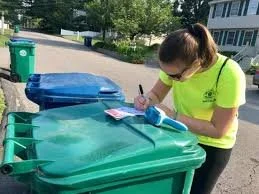
BCLW’s Curbside Cart Audits and Recycling IQ Kit Campaigns provide municipalities with a clear, data-driven understanding of how residents use their trash and recycling carts—and where targeted interventions can improve performance. Our teams conduct full cart inventories to identify “ghost carts,” assess cart condition, and document repairs or end-of-life needs. We lift lids to evaluate contamination and improper set-outs, tag carts with OOPS feedback, and support non-collection protocols when necessary.
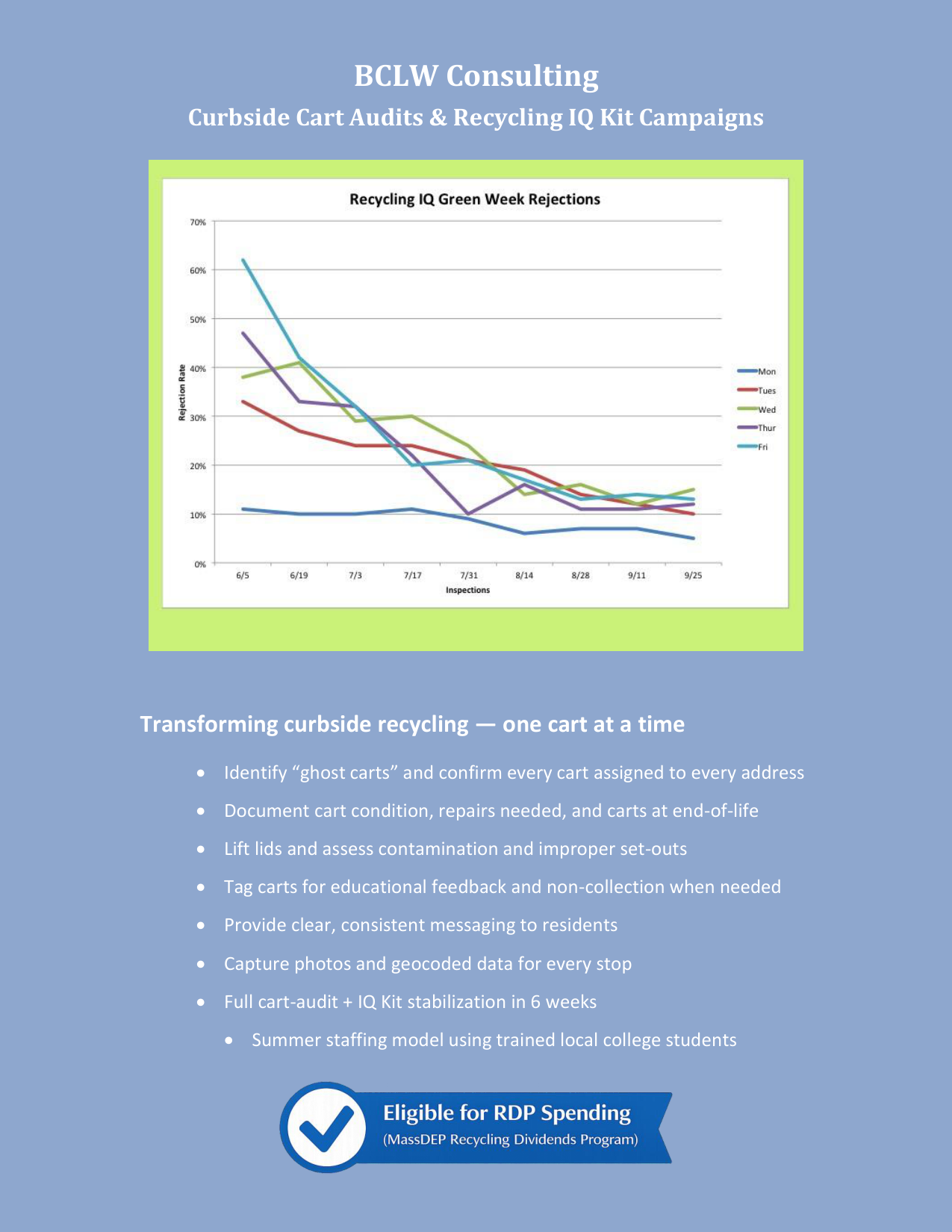
Using a structured 6-week model, we deliver consistent resident education, daily field audits, and real-time data reporting. Photos and geocoded data are captured whenever issues are found, enabling accurate, actionable dashboards that help DPWs track contamination trends, measure progress, and communicate results clearly.
BCLW’s proven approach reduces contamination, lowers rejection rates, improves set-outs, and strengthens overall curbside recycling performance..

Recycling Composition Audits
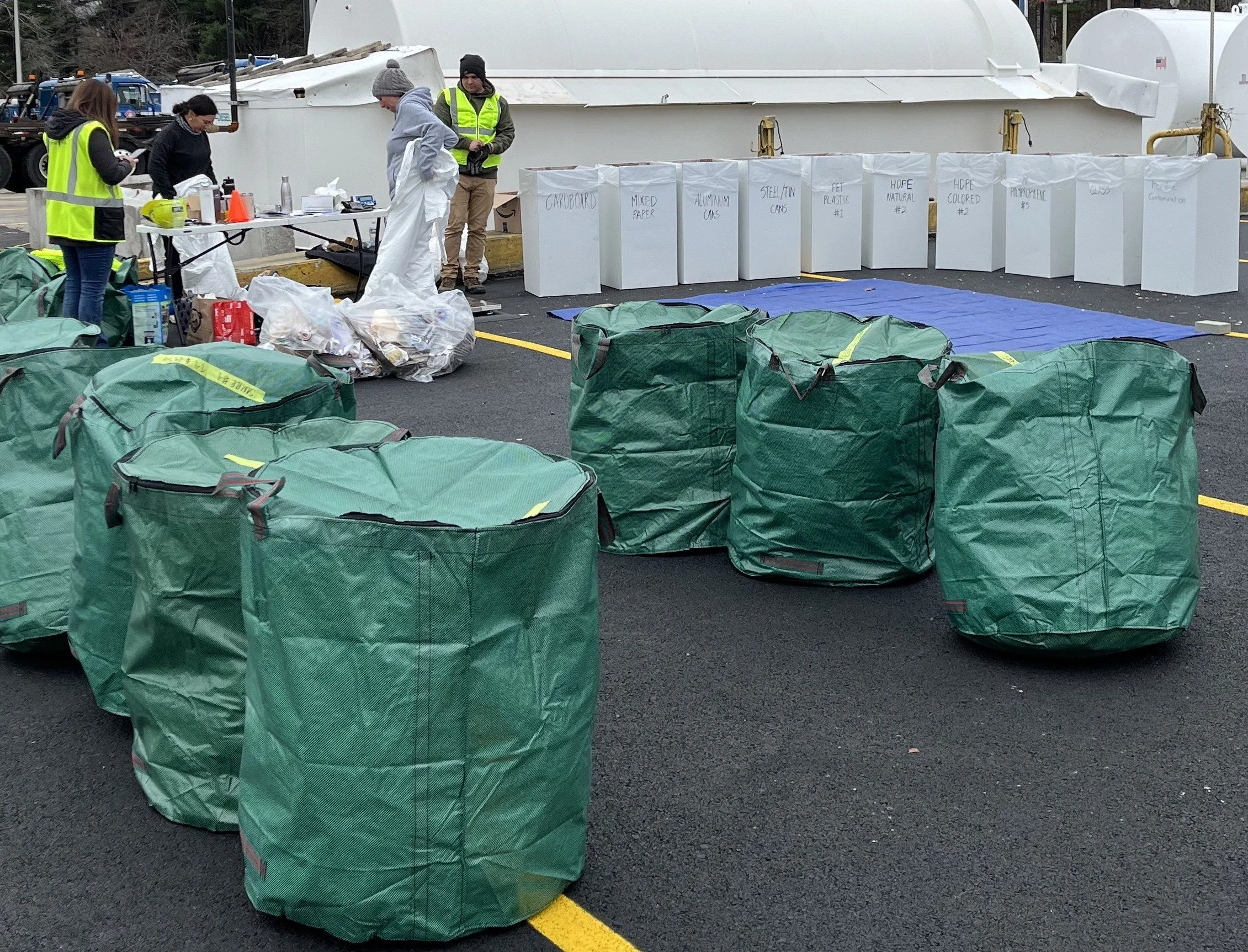
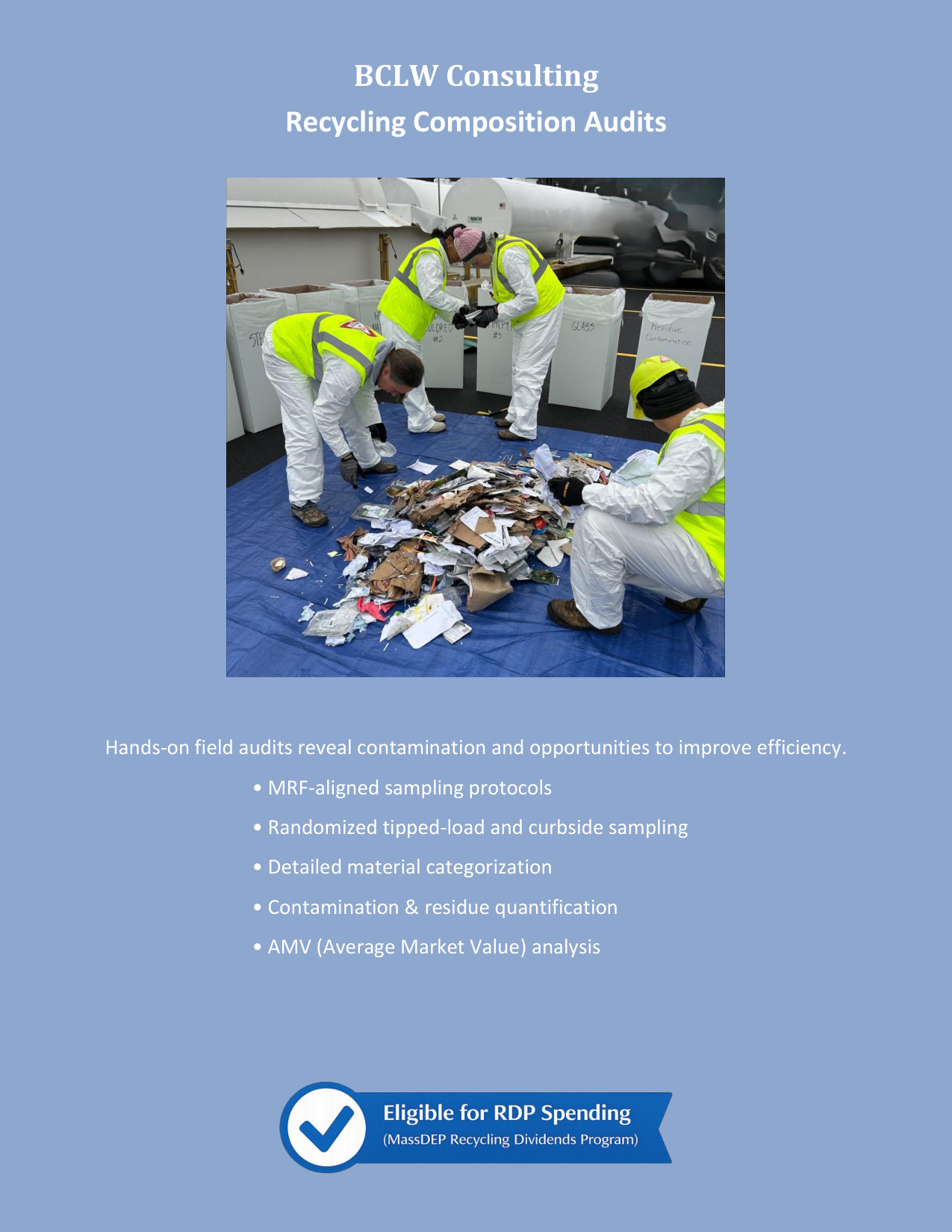
BCLW’s Recycling Composition Audits (RCAs) provide a statistically valid, weight-based analysis of a community’s recycling stream supporting fair pricing in recycling processing contract rebate formulas. Conducted over five days, the audit includes randomly selected curbside samples from multiple truck routes. Materials are hand-sorted into 10 commodity categories, and each commodity category is weighed using a certified scale. The data is analyzed to determine sample percentages, weighted averages, and overall composition. A detailed report is delivered within 10 business days, including sample data, audit sheets, and photos. The findings help calculate the Average Market Value (AMV) of inbound recyclables, aligning recycling processing contract rebate formulas with actual community material composition.
We also conduct school trash and recycling audits that use some of the same methodologies but involve students and staff in the process as part of a whole package to improve school waste diversion programs.
School Waste Ban Campaigns
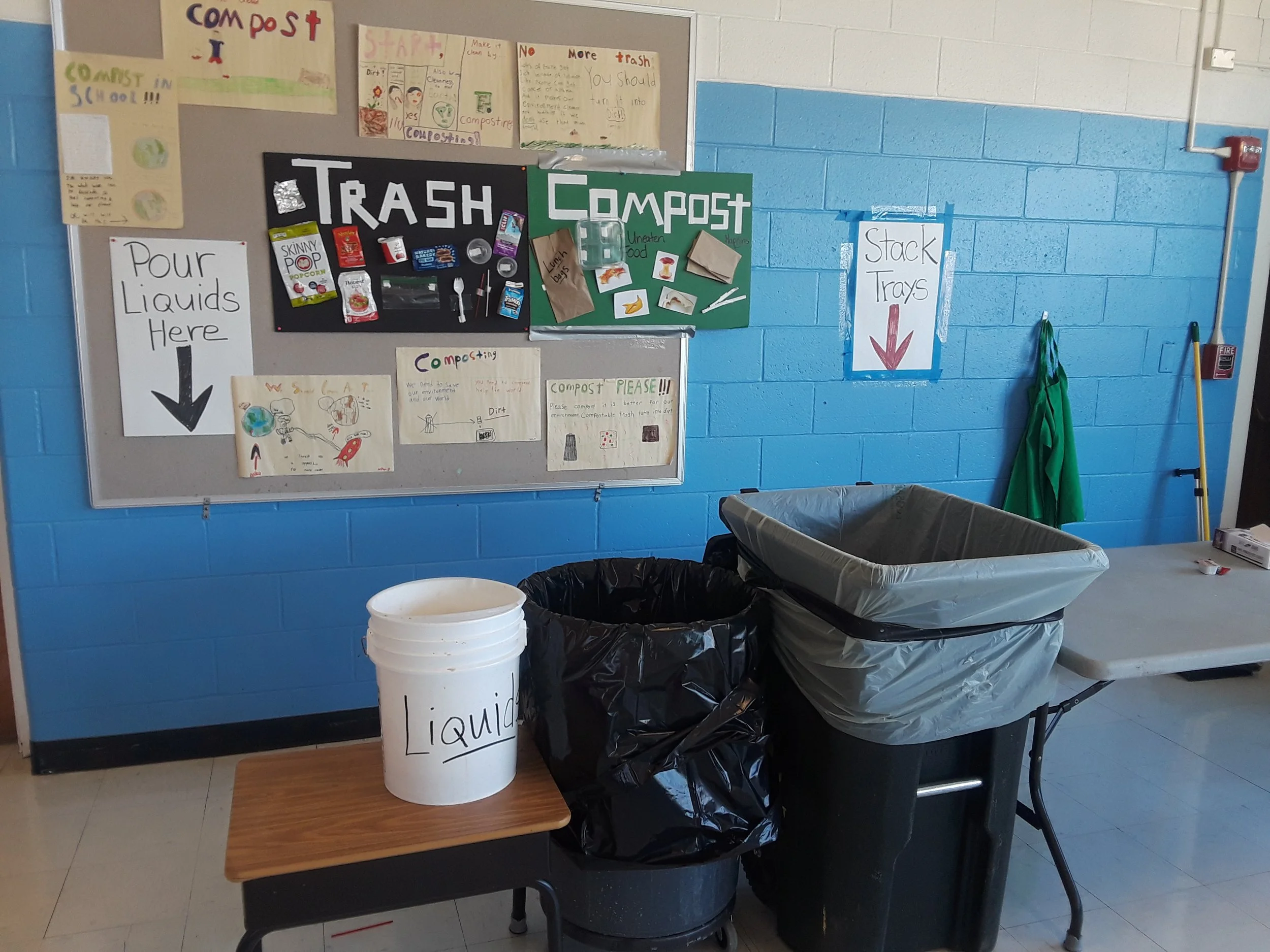
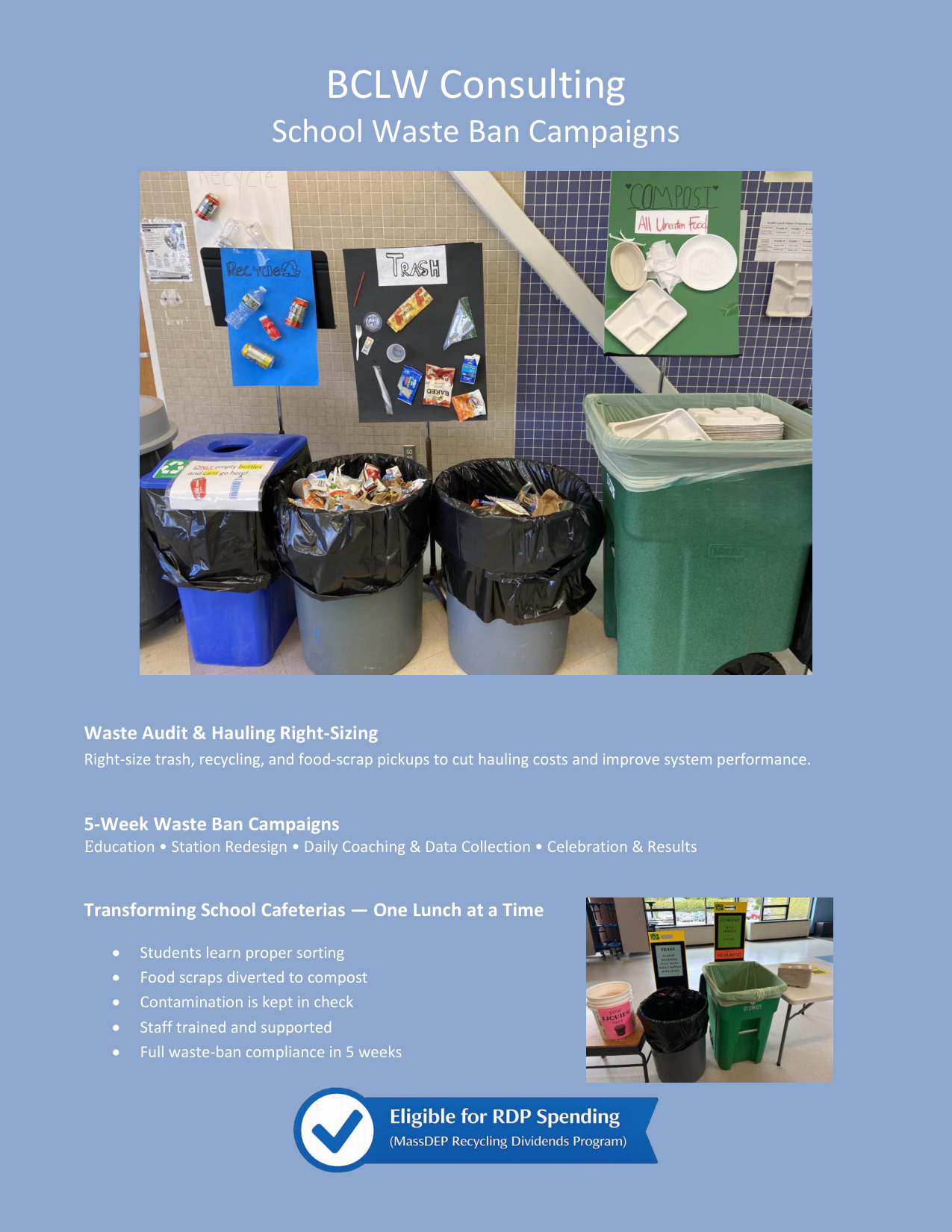
BCLW’s School Waste Ban Campaigns help districts achieve full compliance with Massachusetts waste bans while transforming cafeteria operations into cleaner, more efficient, and more educational spaces. Our 5-week model combines staff training, student Green Team engagement, custom signage, hands-on coaching, and daily station monitoring to build lasting behavior change.
During Launch Week, our team provides real-time support in the cafeteria—guiding students on proper sorting, reducing contamination, and diverting food scraps to compost. In Weeks 3–4, we focus on troubleshooting, reinforcing expectations, and supporting communication with custodial teams, teachers, and administrators.
By Week 5, schools have a standardized sorting system, meaningful data on waste volumes and contamination, and clear documentation of results. Districts typically see up to 80% diversion of cafeteria waste, reduced trash volume and hauling costs, improved student environmental literacy, and long-term sustainability practices that can scale across multiple schools.
Market Analysis
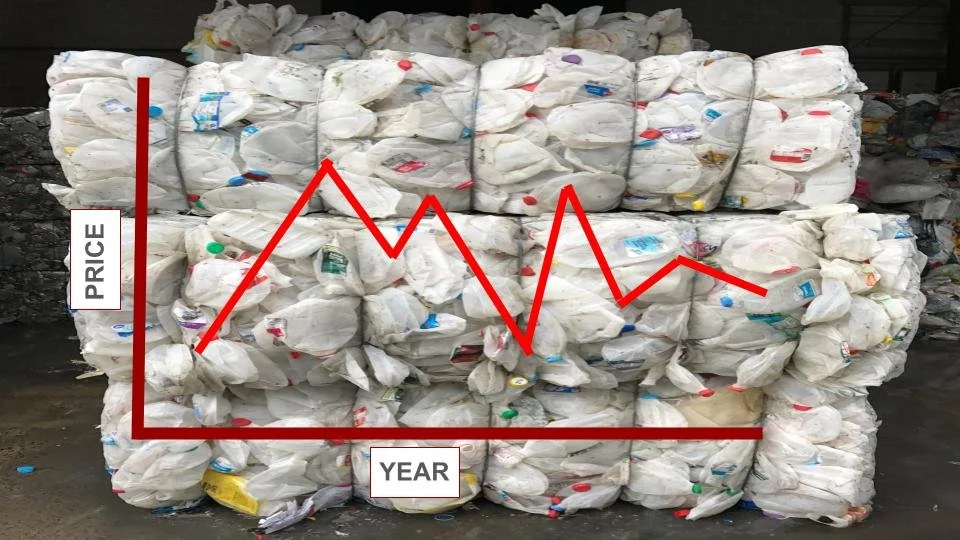
Our market analysis combines government data, industry reports, price indices, and BCLW’s expanding Contract Bank—currently more than 70 municipal hauling contracts across Massachusetts. We compare programs using a range of variables including service level, cart size, contract structure, escalation formulas, route density, contamination trends, and bundled services. As a subscriber to RecyclingMarkets.net, we access historical and current commodity pricing to help communities understand recycling revenue potential, contractor risk assumptions, and long-term market trends.
We also track innovations across Massachusetts and beyond—from updated processing fee structures to new PAYT models, regional collaborations, and emerging technologies in solid waste management. This knowledge allows us to advise municipalities on forward-looking, cost-effective program designs.
Contract Bank
BCLW Consulting maintains an extensive and continually expanding Contract Bank of municipal curbside hauling and disposal contracts from across Massachusetts. By mining these agreements for pricing details, service specifications, escalation formulas, contamination provisions, and performance requirements, we generate clear market comparisons that municipalities can rely on. These real-world comps inform our cost projections, strengthen negotiation strategy, and help communities understand how their programs align with regional trends. The result is better data, more transparent pricing, and stronger contract outcomes.
